

Buying your first home in Ontario is one of the biggest financial decisions you will ever make. But for many people, the process feels confusing and stressful. High home prices, strict mortgage rules, and rising interest rates make it hard to know where to start.
The biggest pain points? Saving enough for a down payment, understanding mortgages, and knowing where even to start. Many first-time buyers also worry about rising home prices across Canada and whether they are making the right decision.
If you are planning on buying your first home in Ontario, you need clear guidance, not complicated advice.
This guide will help you understand the full process of buying your first home in Canada in the easiest way possible.
Financial Preparation: The New Rules
Before you even start house searching, money planning is the most important step. Many people jump into listings too early—and that’s where mistakes begin.
What You Need to Know First
When buying your first home in Ontario, lenders look at:
- Your income
- Credit score
- Debt level
- Savings for down payment
In Canada, the minimum down payment is:
- 5% for homes under $500,000
- 10% for the portion above $500,000
But here’s the truth—most first-time buyers aim for at least 10–20% to reduce monthly payments.
Budget Rule (Simple Way)
A safe rule:
- Your home price should be about 4–5× your annual income
- Your monthly housing cost should stay under 39% of your income
Key Incentives for First-Time Buyers in Ontario
Buying a house in Ontario with a low income is possible—you need to take advantage of the right programs.
1. First-Time Home Buyer Incentive (FTHBI)
The government offers the First-Time Home Buyer Incentive as a shared equity program. This means the government helps you cover part of the purchase price of your home.
How it works:
- The government contributes:
- 5% for a resale home
- 5% or 10% for a newly built home
- This reduces the amount you need to borrow from a lender.
Benefits:
- Lower monthly mortgage payments
- Reduced financial pressure in the early years
- No ongoing payments on the incentive amount
Important to know:
- You must repay the incentive when you sell the home or after 25 years
- The repayment amount depends on the home’s market value at that time
2. Home Buyers’ Plan (HBP)
The Home Buyers’ Plan allows you to use your own savings to buy a home—without paying tax on withdrawals.
How it works:
- You can withdraw up to $35,000 from your RRSP (Registered Retirement Savings Plan)
- Couples can withdraw up to $70,000 combined
Benefits:
- Tax-free withdrawal
- Helps you cover your down payment
- Makes homeownership possible sooner
Repayment rules:
- You must repay the amount over 15 years
- Repayments start 2 years after withdrawal
3. First Home Savings Account (FHSA)
The First Home Savings Account (FHSA) is one of the most powerful tools for first-time buyers in Canada.
How it works:
- You can contribute up to:
- $8,000 per year
- $40,000 lifetime limit
- Contributions are tax-deductible
- Withdrawals for a home purchase are tax-free
Benefits:
- Combines the advantages of both RRSP and TFSA
- Helps your savings grow faster
- Ideal for low-income earners planning ahead
Why it’s great:
You save on taxes when contributing and pay zero tax when using the money to buy your home.
4. Land Transfer Tax Rebates (Ontario)
When you buy a home in Ontario, you must pay a land transfer tax—but first-time buyers can get a rebate.
How it works:
- You may receive a rebate of up to $4,000
Benefits:
- Reduces your upfront costs
- Makes buying more affordable
- Especially helpful if you’re already stretching your budget
Quick tip:
If you’re buying in Toronto, you may qualify for an additional municipal rebate, increasing your savings.
Why Do These Programs Matter?
These incentives are designed to:
- Reduce your upfront costs
- Lower your monthly payments
- Make homeownership accessible—even with low income
They are especially helpful for:
- Young professionals
- Students and recent graduates
- Families with limited savings
Step-by-Step Guide: Buying Your First Home in Ontario
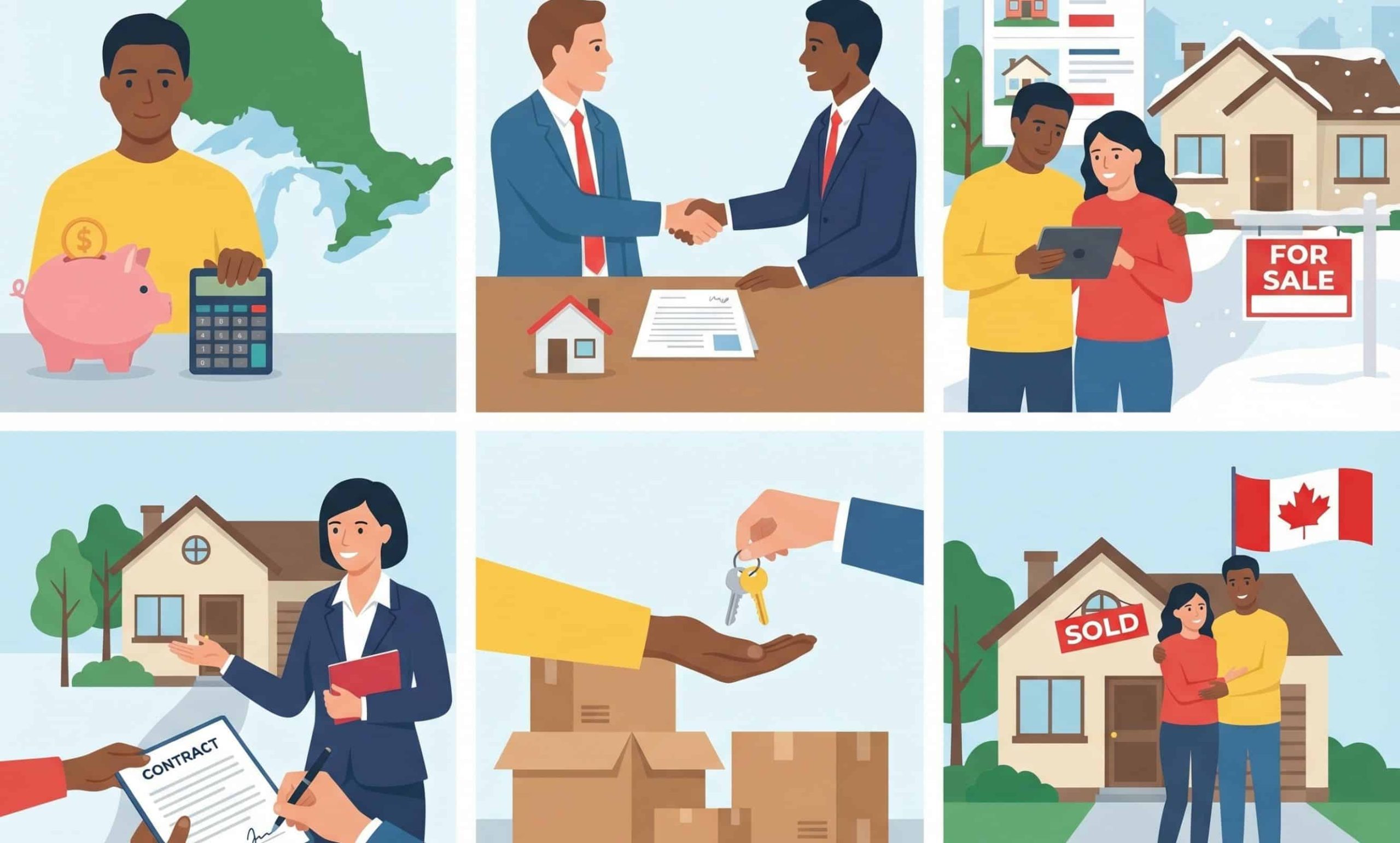
Do you know: How to Buy a House in Ontario with a Low Income?
If you’re buying a house in Ontario with a low income, following these steps can help you stay confident and in control.
The “5-Step” Home Buying Process in Ontario
Follow these 5 essential steps to move from planning to owning your first home.
Step 1: Get Pre-Approved for a Mortgage
Before you start house hunting, your first move should be to speak with a lender or mortgage broker.
Why this step matters:
- Helps you understand how much you can afford
- Gives you a clear price range
- Shows sellers that you are a serious buyer
What happens during pre-approval:
- Your income, credit score, and debts are reviewed
- You get an estimate of your borrowing limit
- You may be able to lock in an interest rate for a limited time
Pro tip:
If you have a low income, ask about first-time buyer programs that can increase your affordability.
Step 2: Find the Right Real Estate Agent
A professional real estate agent can make a huge difference—especially for first-time buyers.
A good agent will help you:
- Find homes that match your budget and needs
- Access listings you might not find on your own
- Negotiate the best price
- Avoid legal or paperwork mistakes
What to look for:
- Experience with first-time buyers
- Knowledge of Ontario housing programs
- Strong local market understanding
Step 3: Start House Searching
Now comes the exciting part—searching for your future home.
Focus on these key factors:
- Location: Close to work, schools, transit, and amenities
- Budget: Stay within your pre-approved limit
- Future resale value: Think long-term
Tips for low-income buyers:
- Consider smaller homes or condos
- Look at emerging or less expensive neighborhoods
- Be flexible with features vs. needs
Important Tips:
Don’t rush. Buying a home is a long-term investment, so take your time to make the right choice.
Step 4: Make an Offer
Once you find the right home, it’s time to submit an offer.
What this includes:
- Your proposed purchase price
- Conditions such as:
- Home inspection
- Financing approval
- Preferred closing date
Negotiation process:
- The seller may accept, reject, or counter your offer
- Your agent will help you negotiate the best deal
Tip:
Stick to your budget—even if emotions are high.
Step 5: Close the Deal
This is the final stage where everything becomes official.
Key steps involved:
- Home inspection: Ensures the property is in good condition
- Final mortgage approval: Your lender confirms financing
- Legal paperwork: Completed by a real estate lawyer
Additional costs to prepare for:
- Closing costs (typically 1.5%–4% of purchase price)
- Land transfer tax
- Legal fees
Once everything is completed, you’ll receive the keys to your new home!
Why This Matters to Sellers (The Seller’s Strategy)
You might be wondering—why should sellers care?
Here’s the truth:
Understanding buyers helps sellers win.
In today’s market, many sellers adjust their strategy based on first-time buyers because:
- First-time buyers are the largest group in Canada
- They are more cautious and price-sensitive
- They rely heavily on financing
Smart sellers:
- Price homes correctly
- Offer flexible closing dates
- Keep homes in top condition
The way homes are sold is changing fast. Discover the latest real estate marketing trends to see how digital tools, virtual tours, and social media are helping buyers like you find the perfect home faster.
Pro Tips for Real Estate Agents Working with First-Time Buyers

Working with first-time buyers—especially those with limited income—requires patience, clarity, and a genuine desire to help.
Here are powerful, practical tips to help you build trust, deliver value, and grow your business.
1. Educate First, Sell Later
First-time buyers don’t just need a salesperson—they need a guide.
Why this matters:
- Most buyers don’t fully understand the home-buying process
- They may feel anxious about making financial decisions
- Trust is built through knowledge, not pressure
How to apply this:
- Explain each step in simple terms
- Break down costs like down payments, closing costs, and monthly expenses
- Share insights about government programs and incentives
Result:
When you focus on education first, buyers are more likely to trust you—and choose you when they’re ready to move forward.
2. Simplify the Process
Real estate can feel full of complex terms and paperwork. Your job is to make everything easy to understand.
What to avoid:
- Industry jargon
- Overwhelming explanations
- Complicated documents without guidance
What to do instead:
- Use simple, clear language
- Provide step-by-step guidance
- Offer checklists and summaries
Example:
Instead of saying “conditional financing clause,” explain it as:
A condition that protects the buyer until their mortgage is approved.
Result:
A smooth and stress-free experience leads to better client satisfaction and referrals.
3. Focus on Affordability
When working with low-income buyers, affordability is everything.
How you can help:
- Introduce programs like:
- First-Time Home Buyer Incentive
- Home Buyers’ Plan
- First Home Savings Account
- Help clients understand their true budget, not just maximum approval
- Suggest properties within a comfortable price range
Extra value:
- Connect buyers with mortgage brokers who specialize in first-time buyers
- Help them plan for additional costs like taxes and maintenance
Result:
You position yourself as a problem-solver—not just a salesperson.
4. Build Long-Term Relationships
First-time buyers are just the beginning of a long client journey.
Why this matters:
- Many buyers upgrade to larger homes in the future
- Happy clients refer friends and family
- Repeat business is easier than finding new leads
How to stay connected:
- Follow up after the purchase
- Send helpful updates about the market
- Share tips on homeownership and maintenance
Pro tip:
Even a simple message on anniversaries (like “1 year in your home”) can strengthen your relationship.
Result:
You build a loyal client base that grows over time.
5. Use Digital Marketing to Attract Buyers
Today’s first-time buyers are online, especially younger audiences.
Effective strategies:
- Share educational content on social media
- Create short videos explaining the buying process
- Post virtual tours of properties
- Use platforms like:
- YouTube
Content ideas:
- “How to buy a house in Ontario with low income.”
- First-time buyer tips
- Market updates
- Common mistakes to avoid
Result:
You attract informed, ready-to-act buyers who already trust your expertise.
Well, understanding agent income can give you better clarity as a buyer. Read this blog on how much real estate agents can make to see how professionals earn and what affects their income.
Market Summary Table: Buying Your First Home in Canada
Here’s a simple overview of the current Canadian housing market:
| Factor | Ontario Market (2026) | Canada Overall |
| Average Home Price | $850,000 – $1.1M | $700,000 – $900,000 |
| Interest Rates | Moderate (5–6%) | Similar nationwide |
| Buyer Demand | High | High |
| Inventory | Limited | Moderate |
| First-Time Buyer Activity | Very High | Growing |
What Are the Biggest First-Time Home Buyer Mistakes?
Avoiding these common mistakes can save you money, stress, and regret. Take your time, plan carefully, and stay within your limits. A well-informed buyer is a confident buyer.
1. Not Getting Pre-Approved
Many first-time buyers skip mortgage pre-approval—and regret it later.
Why this is a mistake:
- You don’t know your real budget
- You may look at homes you can’t afford
- Sellers may not take your offer seriously
What to do instead:
- Talk to a lender before house hunting
- Get a clear price range
- Understand your monthly payments
2. Ignoring Hidden Costs
The home price is not the only cost to consider.
Common hidden costs:
- Closing costs (legal fees, taxes)
- Home inspection fees
- Moving expenses
- Repairs and maintenance
What to do instead:
- Set aside extra money (about 1.5%–4% of the home price)
- Plan your full budget—not just the purchase price
3. Overbidding Emotionally
It’s easy to fall in love with a home and offer more than you should.
Why is this risky?
- You may stretch your finances too far
- Higher monthly payments can cause stress
- You may regret the decision later
What to do instead:
- Stick to your budget
- Stay calm during bidding
- Let your agent guide you
4. Skipping the Home Inspection
Some buyers skip inspections to make their offer more attractive. This can be a costly mistake.
What could go wrong:
- Hidden damage (roof, plumbing, wiring)
- Expensive repairs after purchase
- Safety issues
What to do instead:
- Always include a home inspection condition
- Hire a professional inspector
- Use the report to negotiate if needed
5. Buying Beyond Your Budget
Just because you are approved for a higher amount doesn’t mean you should spend it.
Why this matters:
- Higher mortgage = higher stress
- Less money for savings and emergencies
- Financial pressure long-term
What to do instead:
- Choose a home you can comfortably afford
- Leave room for other expenses
- Think about your future financial goals
Before making an offer, it’s important to understand the costs involved. This helpful guide on real estate brokerage fees in Canada explains what you may pay. Also, you will get how these fees impact your total budget.
Key Questions to Ask Before Buying Your First Home in Canada

Buying your first home in Canada doesn’t have to be stressful. The goal isn’t just to buy a home—it’s to buy the right home for your future
1. How Much Can I Afford?
This is the most important starting point.
Ask yourself:
- What is my monthly budget for housing?
- Have I accounted for property taxes, insurance, and utilities?
- Do I have savings for emergencies?
Tip: In Canada, your mortgage payments should ideally stay below 30–32% of your gross monthly income.
2. Am I Pre-Approved for a Mortgage?
Before house hunting, get pre-approved.
Ask your lender:
- What loan amount do I qualify for?
- What interest rate can I lock in?
- How long is the pre-approval valid?
3. What Are the Total Upfront Costs?
Buying a home isn’t just about the down payment.
Ask:
- How much is the down payment (minimum 5% in Canada)?
- What are the closing costs (typically 1.5%–4% of purchase price)?
- Do I need mortgage default insurance?
Common costs include:
- Legal fees
- Land transfer tax
- Home inspection
- Appraisal fees
4. Is the Location Right for Me?
Location impacts your lifestyle and property value.
Ask:
- Is the area safe and family-friendly?
- How close is it to work, schools, and transit?
- Are there future developments planned?
5. What Type of Home Fits My Needs?
Different homes come with different responsibilities.
Ask:
- Do I want a condo, townhouse, or detached home?
- Am I okay with maintenance responsibilities?
- Are there condo fees?
6. What Is the Condition of the Property?
Never skip this step.
Ask:
- How old is the roof, plumbing, and electrical system?
- Are there signs of damage or repairs needed?
- Has the home been renovated recently?
What is the Biggest Red Flag in a Home Inspection?
The biggest red flag is structural damage.
Watch for:
- Cracks in the foundation
- Roof leaks
- Mold or water damage
- Electrical issues
These problems can cost thousands later.
What Income Do You Need for a $1,000,000 Mortgage in Canada?
In simple terms:
- You need around $180,000 – $220,000 yearly income
- Depends on debt, interest rate, and down payment
Lenders follow strict stress tests, so always check your affordability first.
What Is the 20–3 Rule for Buying Your First Home in Canada?
The 20–3 rule is a simple way to decide how much home you can safely afford. It helps first-time buyers avoid financial stress and stay within a comfortable budget.
Let’s understand.
What Does the 20–3 Rule Mean?
The rule has two parts:
1. Save a 20% Down Payment
You should pay 20% of the home price upfront.
Why this is helpful:
- You avoid paying mortgage insurance
- Your monthly payments are lower
- You borrow less money
2. Home Price = 3× Your Annual Income
This means the total price of your home should not be more than three times your yearly income.
Why this matters:
- Keeps your mortgage affordable
- Reduces financial stress
- Helps you manage other expenses easily
Real-Life Example (Easy to Understand)
Let’s say you earn $60,000 per year.
Step 1: Calculate Your Budget
3 × $60,000 = $180,000
You should look for homes around $180,000 or less
Step 2: Calculate 20% Down Payment
20% of $180,000 = $36,000
You should aim to save $36,000 as a down payment
What This Means for You:
- Smaller loan amount
- Lower monthly payments
- Better financial stability
Is the 20–3 Rule Always Possible?
Not always—especially if you are buying a house in Ontario with low income, where home prices can be higher.
What you can do instead:
- Start with a smaller down payment (like 5%–10%)
- Use government programs for first-time buyers
- Choose a more affordable property (condo or smaller home)
The 20–3 rule is a safe and simple guideline for home buyers. It helps you avoid overspending and keeps your finances under control.
Why Buying Your First Home is Still a Smart Move
Even with high prices, homeownership offers:
- Long-term investment growth
- Stability
- Tax benefits
- Personal freedom
That’s why more people continue buying their first home in Canada despite market challenges.
Conclusion: First-Time Home Buyer Guide in Canada
Buying your first home is a big step—but it doesn’t have to be stressful. With the right knowledge, planning, and support, you can make smart decisions.
If you take one thing from a first-time home buyer guide in Canada, let it be this: Preparation is everything.
From budgeting to closing, every step matters. When done right, buying your first home in Ontario becomes not just possible.
Explore trusted real estate brokerages in Canada to find expert guidance that makes the entire process simple, smooth, and stress-free.
FAQ About Buying Your First Home in Ontario
It can feel difficult, but with the right plan and guidance, it becomes much easier.
Minimum is 5%, but 10–20% is recommended.
Yes, if they have a stable income or a co-signer.
It depends on your financial situation, but long-term investment remains strong.
Usually 30–90 days from offer to closing.