
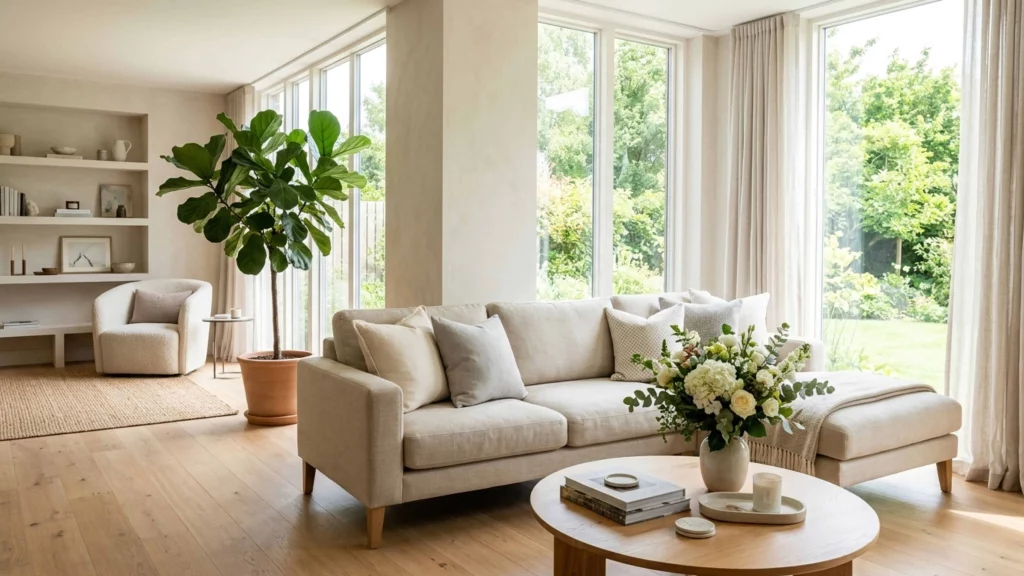
To prepare your home for sale, start with a deep clean and declutter, complete minor repairs, freshen up paint with neutral tones, improve curb appeal, and stage key rooms like the living room and kitchen.
Price your home correctly based on a comparative market analysis. Schedule professional photography before listing. Most sellers can get their home market-ready in 30 to 60 days with the right plan.
Buyer demand in your area also plays a role in how fast your home sells. Well, housing for new immigrants in Canada can influence your pricing strategy and timing, so it is worth understanding your local market before you list.
Why Does Preparation Directly Impact Your Sale Price?
Homes that hit the market unprepared sell for less. That is a consistent pattern across all price points and neighborhood types. Buyers form their opinion within the first few seconds of seeing a listing photo or walking through the front door.
If that first impression is weak, they either skip the showing entirely or come in with a low offer. Preparation is just about aesthetics. It signals to buyers that the home has been maintained.
A well-presented property reduces the perception of risk. That directly impacts offers, negotiation leverage, and final sale price.
Sellers who invest time and modest money into preparation consistently see stronger returns than those who list “as-is,” hoping the market will carry them.
Ready to list? Connect with a top real estate brokerage in Canada that understands your market. They guide your preparation strategy from day one.
How Do I Get My House Ready to Sell: Start With an Honest Assessment
Before touching a single wall or buying a single staging prop, walk through your home the way a buyer would. Take notes. Be critical.
Ask yourself:
- What would stop me from buying this home?
- What feels dated, worn, or unfinished?
- And what smells, sounds, or sights might concern a buyer?
- Does every room have a clear purpose?
Then bring in a second opinion. Ask a trusted friend, your listing agent, or a professional home stager to walk through with fresh eyes. You stop seeing your home’s flaws after living in it for years. An outside perspective is essential.
This assessment becomes your preparation checklist. Prioritize items that buyers will notice immediately and that have the highest return on investment.
How to Get Your House Ready to Sell?
1. Exterior and Curb Appeal
Buyers decide how they feel about a home before they open the front door. Curb appeal is your first conversion point.
Key actions:
- Power wash the driveway, walkway, and siding
- Reseed or fertilize the lawn
- Trim overgrown hedges and shrubs
- Add fresh mulch to garden beds
- Plant seasonal flowers near the entrance
- Paint or replace the front door if it looks worn
- Clean or replace exterior light fixtures
- Repair cracked steps, walkways, or railings
- Make sure the house number is clean and clearly visible
These improvements are inexpensive but dramatically improve listing photos and first showings.
2. Kitchen
The kitchen sells homes. Buyers spend more time evaluating kitchens than any other room. You do not need a full renovation to make an impact.
Key actions:
- Deep clean every surface, including inside cabinets and appliances
- Replace dated cabinet hardware with brushed nickel or matte black
- Regrout the tile backsplash or replace it if it looks moldy
- Repair or replace dripping faucets
- Clear countertops of all small appliances and personal items
- Add a bowl of fresh fruit or a simple plant as staging
- Clean inside the oven and refrigerator (buyers open them)
- Make sure all appliances are in working order
If the cabinets are solid but dated, a fresh coat of paint in a soft white or warm gray can modernize the entire kitchen without a major renovation cost.
3. Bathrooms
Bathrooms are high-scrutiny spaces. Buyers look closely at grout, fixtures, and cleanliness.
Key actions:
- Replace caulk around the tub and shower
- Clean or replace grout
- Fix running toilets or slow drains
- Replace old faucets and light fixtures if the budget allows
- Add fresh white towels and a simple soap dispenser as staging props
- Remove all personal care products from counters and shower shelves
- Make sure the exhaust fan works properly
A bathroom that smells fresh and looks clean signals that the home has been well-maintained.
4. Living Areas
Living rooms and family rooms need to feel spacious and welcoming without feeling staged.
Key actions:
- Remove at least one-third of your furniture to open up the space
- Rearrange remaining furniture to maximize flow and natural light
- Replace heavy drapes with lighter window treatments
- Clean or replace area rugs
- Patch any holes or scuffs on walls
- Repaint if the current color is bold, dark, or unusual
- Clean baseboards, light switches, and door handles
Neutral tones work universally. Buyers need to picture their own furniture and belongings in the space. Strongly personalized decor makes that harder.
5. Bedrooms
Bedrooms should feel like a retreat. The primary bedroom matters most.
Key actions:
- Remove excess furniture so the room does not feel cramped
- Invest in quality white or neutral bedding for staging
- Clear the nightstands of personal items
- Organize and declutter closets (buyers open every closet)
- Make sure all lighting works and feels warm
- Remove personal photos from walls
Closet space is a major concern for buyers. If yours are packed, store items off-site before listing.
6. Basement and Garage
These spaces are often overlooked and often hurt sales.
Key actions:
- Clear out stored items or rent a storage unit
- Clean the floors and organize shelving
- Make sure lighting is adequate
- Address any moisture, mold, or musty smells immediately
- Organize the garage so buyers can see the actual space
Basements and garages that feel like storage units reduce perceived usable square footage.
How to Prepare Home for Sale: Repairs That Actually Matter
Not every repair is worth doing before listing. Focus on items that show up on a home inspection or that buyers can visually identify.
High-priority repairs:
- Roof damage, missing shingles, or obvious leaks
- Plumbing leaks or slow drains
- Electrical issues, outdated panels, or non-functioning outlets
- HVAC system that is not functioning properly
- Cracked or damaged windows
- Water damage stains on ceilings or walls
- Foundation cracks that look structural
- Broken or damaged flooring
Lower priority (do only if budget allows):
- Full bathroom renovation
- New kitchen appliances
- Complete flooring replacement
The goal is to eliminate the obvious defects that give buyers leverage to negotiate down or walk away. Understanding how much real estate agents make in Canada helps you align your preparation with what professionals recommend to their clients.
How to Get Ready to Sell Your House Checklist?
Use this checklist before listing your property.
| Exterior | Interior | Systems | Staging |
| Lawn mowed and edged | Full deep clean of every room | HVAC serviced and filter replaced | Furniture was reduced to open up space |
| Garden beds weeded and mulched | All personal photos removed | Plumbing leaks repaired | Countertops cleared |
| Driveway and walkway cleaned | Closets organized and decluttered | All appliances tested | Fresh linens and towels in bathrooms |
| Front door freshly painted or cleaned | Walls patched and painted in neutral tones | Smoke and carbon monoxide detectors tested | Plants or flowers added to key rooms |
| Exterior lights working | All light bulbs are working with a consistent tone | Electrical panel reviewed | Professional photos scheduled |
How to Prepare for an Open House for Sale?
An open house is a marketing event. Every detail matters from the moment buyers arrive to the moment they leave.
Before the open house:
- Schedule it for a weekend morning when traffic and light are best
- Print a one-page feature sheet with key details and recent upgrades
- Make sure parking is available and easy
- Remove pets and any evidence of pets
- Set the temperature to a comfortable level
- Open all blinds and turn on all lights
Day of the open house:
- Bake something or use a subtle diffuser to make the home smell welcoming
- Place fresh flowers in the kitchen and the primary bedroom
- Set out the feature sheet near the entrance
- Make sure every room is in showing condition
- Leave the property before buyers arrive
After the open house:
- Follow up with your agent to gather buyer feedback
- Review objections and adjust pricing or presentation if needed
How to Prepare a House for Viewing?
Individual showings are often more serious than open houses. A buyer booking a private showing is typically further along in their decision process.
Keep the home in permanent showing condition from the moment it lists. That means:
- Dishes are always done
- Beds are made every morning
- Bathrooms are clean and staged
- Pet items are stored out of sight
- Garbage is emptied regularly
Short-notice showings happen. The easier you make access, the more showings your agent can schedule.
How to Prepare Your House for Viewings: Lighting and Scent Strategy
Two things buyers notice subconsciously but never mention directly are lighting and scent. Both influence how they feel about a home.
Lighting:
- Replace all bulbs with consistent warm white LEDs (2700K to 3000K)
- Layer lighting in living areas with overhead, floor lamps, and table lamps all on
- Open blinds and curtains before every showing
- Add lighting in dark corners or rooms without overhead fixtures
Scent:
- Eliminate all odors first (pet, cooking, smoke, moisture)
- Use subtle, clean scents if needed (linen, light citrus, or cedar)
- Avoid heavy candles or artificial sprays that mask rather than eliminate
These two elements are often overlooked but contribute significantly to how buyers experience a property.
You should also confirm whether a property survey is available or required for your listing, as buyers in many markets expect one during due diligence.
How to Prepare for Viewing: Understanding Buyer Psychology
Buyers are not just evaluating a building. They are making an emotional decision about where they want to live. Preparation works because it removes the barriers between a buyer and that emotional connection.
Every repair you skip, every box of clutter you leave out, and every room with no clear purpose puts distance between the buyer and the decision to make an offer. Preparation removes friction. It lets the buyer imagine their life in the space.
This is why staged homes consistently outperform unstaged ones. Staging gives the buyer a lifestyle vision, not just a floor plan.
How to Prepare to Sell and Buy a House at the Same Time
Many sellers are also buyers. Managing both processes simultaneously requires planning.
Key strategies:
- Clarify your financial position early. Know what your home will likely sell for and what you can afford to buy before doing either.
- Talk to a mortgage professional about bridge financing if you need to buy before your current home closes.
- Coordinate closing dates with your real estate agent whenever possible. A few days of overlap or a leaseback arrangement can reduce pressure.
- Understand the real estate laws in Canada, so you are not caught off guard by conditions or deposit requirements.
- Begin searching for your next property before listing, but avoid conditional offers if the market is competitive.
How to Prep Your House for Sale in 30 Days?
If you have a tight timeline, focus only on high-impact actions.
| Week | Tasks |
| Week 1: Declutter and Deep Clean | Remove excess furniture, personal items, and clutter. Rent a storage unit if needed. Hire a professional cleaning service for a deep clean. |
| Week 2: Repairs and Paint | Complete important repairs. Paint rooms in neutral colors. Replace outdated light fixtures and hardware. |
| Week 3: Staging and Photography | Arrange furniture to improve flow. Add staging elements. Schedule professional photography and confirm the listing date. |
| Week 4: List and Show | List the property on MLS. Hold an open house during the first weekend. Review buyer feedback and make adjustments if necessary. |
This timeline is aggressive but achievable if you stay organized and bring in the right professionals.
The Role of Professional Photography
Amateur photos lose buyers before they ever book a showing. Professional real estate photography is one of the highest-return investments a seller can make.
A professional photographer will:
- Shoot in optimal lighting conditions
- Use wide-angle lenses to show rooms at their best
- Edit images to ensure accurate, flattering color
- Often includes aerial drone photography for exterior and neighborhood shots
Listings with professional photos consistently generate more showing requests and sell faster than those with phone camera images. This is not optional in a competitive market. If your equity is tied up in your current property, a real estate investment advisor can help you structure the transition efficiently.
How to Work With Your Listing Agent?
Your listing agent is a strategic partner, not just an order taker. The best agents bring market expertise, negotiation skills, and a marketing plan that goes beyond a sign on the lawn.
When choosing an agent, ask:
- What is your average list-to-sale ratio?
- How do you market listings beyond MLS?
- What do you recommend I do to maximize my sale price?
- How do you handle multiple offers or low-ball situations?
Understanding how commission and brokerage fees work before you sign a listing agreement ensures you are clear on the cost structure and what services you are receiving in return.
Frequently Asked Questions
Most sellers need 30 to 60 days to prepare a home for listing properly. A home needing significant repairs or updates may take longer. If you are in a hurry, focus on decluttering, deep cleaning, neutral paint, and professional photography.
Kitchen and bathroom improvements, fresh neutral paint, curb appeal upgrades, and professional staging consistently deliver the highest return on investment.
Major renovations rarely deliver a full return on investment. Focus on cosmetic improvements and repairs that eliminate buyer objections. Consult your listing agent before spending on anything significant.
A pre-listing inspection is not required, but can be valuable. It lets you find and fix problems before buyers discover them and use them as negotiating leverage.
Your agent will run a comparative market analysis based on recent sales of similar homes in your area. Pricing too high slows the process and leads to price reductions. Pricing correctly from day one generates more interest and stronger offers.
Conclusion: How to Prepare Your Home for Sale and Win in Any Market
Knowing how to prepare your home for sale is what separates sellers who achieve their asking price from those who reduce and wait. The process is not complicated, but it requires honesty, planning, and follow-through.
Start with an objective assessment. Work through the room-by-room preparation strategy. Complete the checklist before listing. Stage thoughtfully, photograph professionally, and price based on data.
Every dollar and hour you invest in preparation is an investment in your final sale price. The buyers who walk through your door are comparing your home to every other home they have seen. Make sure yours wins that comparison.
Work with an experienced listing agent, understand your market, and approach the process with the same diligence you would any major financial decision.